
A Queen's Treasure Comes Home
The Royal Ethiopian Trust Secures Return of 19th Century Imperial Hairpin
We are honored to announce the repatriation of an extraordinary piece of Ethiopian heritage: an elaborate 19th-century Imperial hairpin that once belonged to Empress Tiruwork Wube, consort of Emperor Tewodros II. This exquisite artifact, missing from Ethiopia for more than a century and a half, represents not just a piece of royal adornment but a tangible link to one of the most tragic and pivotal moments in Ethiopian history.


Introduction
Reclaiming an Imperial Heirloom.
ORIGIN
Ethiopian Imperial Court, 19th Century
HISTORICAL OWNER
Empress Tiruwork Wube (consort of Emperor Tewodros II)
DATE OF LOSS
1868, during the British Expedition to Magdala
HISTORICAL PROVIDENCE
Linked to James Sinclair, Surgeon General, British 33rd Regiment
SIGNIFICANCE
One of few surviving personal items belonging to Empress Tiruwork
This elaborate hairpin represents a rare surviving example of 19th-century Ethiopian Imperial craftsmanship. Created for royalty, such pieces were not merely decorative but served as symbols of status, power, and divine authority within the Ethiopian court. The intricate workmanship reflects the sophisticated artistic traditions that flourished under Imperial patronage.
Empress Tiruwork Wube was a woman of remarkable lineage and quiet strength. Born into Ethiopian nobility as the daughter of Dejazmatch Wube Hayle Maryam, a powerful regional ruler, she became the wife of Emperor Tewodros II during a transformative period in Ethiopian history. The Emperor’s ambitious modernization efforts and resistance to foreign interference would ultimately lead to confrontation with the British Empire.
When Emperor Tewodros died by his own hand on April 13, 1868, rather than submit to British forces at the Battle of Magdala, Empress Tiruwork faced an uncertain and devastating future. Widowed and politically vulnerable, she embarked on a sorrowful journey with her young son, Prince Alemayehu.
The Empress: A Historical Profile
- Birth: Unknown (exact date and year not recorded)
- Death: May 16, 1868 (at the monastery route to Chalacot, Tigray)
- Father: Dejazmatch Wube Hayle Maryam (powerful regional ruler of Semien province)
- Mother: Woizero Lakiyaye (noblewoman of Tigray)
- Children: Prince Alemayehu Tewodros (born April 23, 1861; died November 14, 1879 in England at age 18)
- Burial Site: Monastery of the Holy Trinity at Chalacot, Tigray
- Legacy: Many of her personal possessions were looted during the 1868 British Expedition to Magdala and remain in British museum collections
The British military expedition to Magdala remains one of the most controversial episodes in Ethiopian-British relations. Led by Sir Robert Napier, the campaign resulted not only in military victory but in the systematic looting of the Ethiopian Imperial treasury. Countless sacred manuscripts, royal regalia, ceremonial crosses, crowns, and personal items were removed from Maqdala fortress and dispersed across Britain—into museums, private collections, and military souvenirs.
This Imperial hairpin was among those items taken during this period of upheaval. Historical records link the artifact to James Sinclair, Surgeon General of the British 33rd Regiment, who is believed to have been present during Empress Tiruwork’s final days as she traveled with Prince Alemayehu following the Emperor’s death.
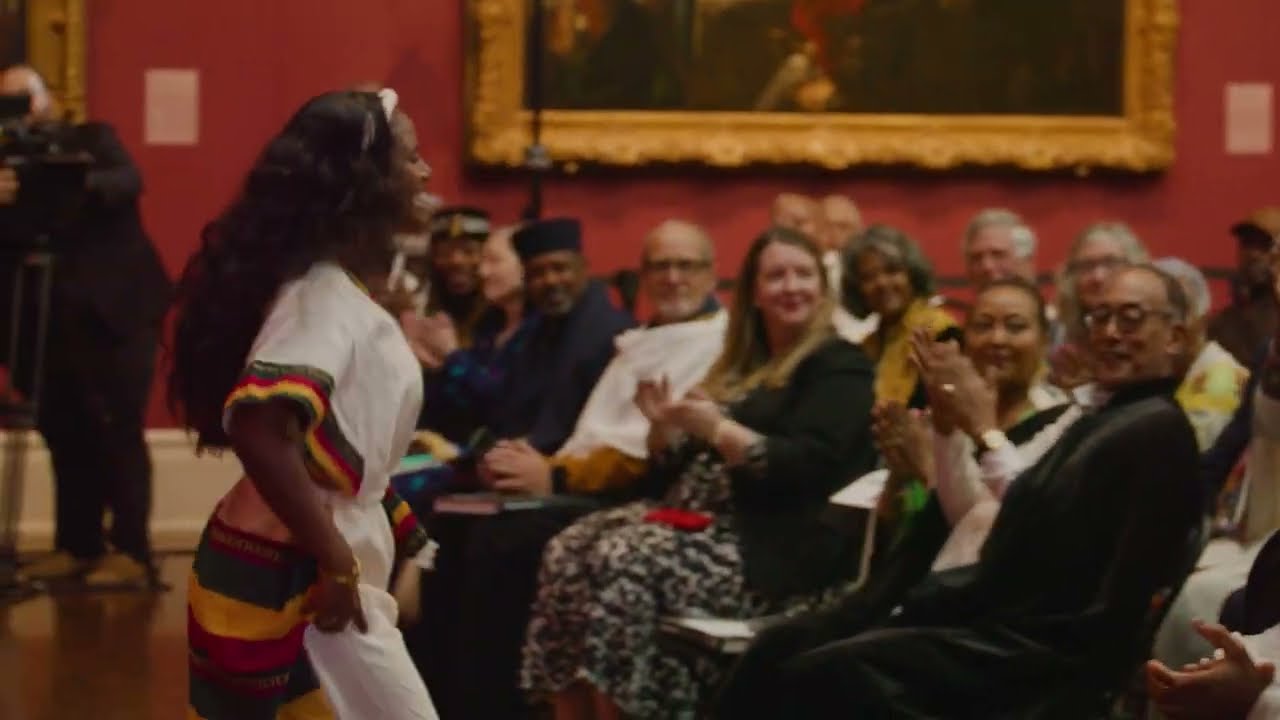
After more than a century and a half in foreign hands, this Imperial treasure will finally return to Ethiopia, where it will be preserved, studied, and displayed for future generations. The hairpin will join other repatriated items, including the Magdala Shield in Ethiopian national collections, contributing to a growing movement of cultural restitution worldwide.
The repatriation of Empress Tiruwork’s Imperial hairpin restores an important piece of Ethiopia’s cultural record and contributes to broader scholarship surrounding the Magdala Expedition, the Imperial court of the mid-19th century, and the displacement of Ethiopian treasures during that period. Each recovered artifact adds vital context to our understanding of this transformative era, allowing historians, educators, and communities to engage more fully with the complex narratives that define this chapter of Ethiopian history.
RET is coordinating with Ethiopian cultural authorities to ensure the hairpin will be permanently housed at the National Museum of Ethiopia in Addis Ababa. Its planned placement alongside the Magdala Shield will continue to illuminate one of the most pivotal episodes in Ethiopian and global history, offering visitors a tangible connection to Empress Tiruwork’s life and the broader story of cultural displacement and recovery.